To anneal or not?

Aberhan

Beginner
Jun 25, 2026
13
24
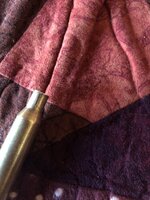
I have never annealed my brass, never even heard of it for many years but I was wondering does it really extend brass life? Is so, how much? Asking those with experience if they can quantify this? The picture is 257 brass that was used 3 times, resized 4 times. Normally I get 7-10 uses before I see neck splits, depending of course on how hot my loads are. Remington brass, not that it should matter. Just curious how annealing would play into this.
 

Attachments

  • IMG_5380.jpeg
    IMG_5380.jpeg
    593 KB · Views: 4
I first entered the reloading world when I was 16 or so ... fast forward about 50 years later and I have yet to anneal a single round. I have thought about it many times but never pursued it.
 
I first entered the reloading world when I was 16 or so ... fast forward about 50 years later and I have yet to anneal a single round. I have thought about it many times but never pursued it.
I am in a similar boat, but it has been many years since I have reloaded brass more than 4-5 times (was with Norma brass in my second 6.5.x55) ...may look into it for more shooting in the future as I play with the new 25 CM.
 
Technically I haven’t really been reloading all that long, thirteen years?
I’ve never annealed any brass. To be honest everything I’ve seen has kinda confused me as to how, how long, when, etc….
Like most things in this regard there are so many ways to do it, and so many arguments about it also.
I would like to know more so I’ll follow along with this.
 
In my 35 plus years of reloading, I started annealing about 10 years ago and I wish I should have done it eons ago. Without annealing, I notice erratic bullet seating pressures where some brass necks are more hardened than others after 2-3 firings, inconsistent groups with flyers, and inconsistent shoulder bump. After annealing after every firing, all the issues I encountered are gone. Annealing helps tremendously if you are a match shooter as well. I just love itty bitty groups and I'm sure we all do. Gives you a peace of mind and confidence on your shots.
 
I anneal after every fire . the brass is just so much more consistent to work with .

there are a lot of us guys , on the Nosler forum , that anneal . if you're going to get started we'll get you going correctly . I think a few guys have the induction machines , I'd say hands down the most foolproof system . others have torch machines of one style , or another . I use a torch machine . I "THINK" there is still a few guys that anneals without a machine .

I'll guess , without looking , there should be a lot of old threads on the forum, talking about annealing
 
I fully agree with TackDriver284 and Jimbires above. I started rifle reloading about 50 years ago and never annealed brass until about 2 years ago. Once I did, I wish I had started before. Annealing helps with consistent shoulder bumps and seating pressure (neck tension).

Since I have a detached shop with good ventilation, I use the molten lead method, which my gunsmith recommended. There is absolutely no question as to the temperature I am getting on the brass.
 
I fully agree with TackDriver284 and Jimbires above. I started rifle reloading about 50 years ago and never annealed brass until about 2 years ago. Once I did, I wish I had started before. Annealing helps with consistent shoulder bumps and seating pressure (neck tension).

Since I have a detached shop with good ventilation, I use the molten lead method, which my gunsmith recommended. There is absolutely no question as to the temperature I am getting on the brass.
Thanks Dan , heck I forgot about the molten lead system . probably the least expensive way to go , and as you said you know the temp .
 
Back
Top