To anneal or not?

Aberhan

Beginner
Jun 25, 2026
13
24
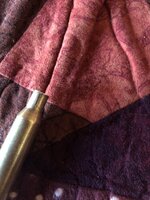
I have never annealed my brass, never even heard of it for many years but I was wondering does it really extend brass life? Is so, how much? Asking those with experience if they can quantify this? The picture is 257 brass that was used 3 times, resized 4 times. Normally I get 7-10 uses before I see neck splits, depending of course on how hot my loads are. Remington brass, not that it should matter. Just curious how annealing would play into this.
 

Attachments

  • IMG_5380.jpeg
    IMG_5380.jpeg
    593 KB · Views: 8
I first entered the reloading world when I was 16 or so ... fast forward about 50 years later and I have yet to anneal a single round. I have thought about it many times but never pursued it.
 
I first entered the reloading world when I was 16 or so ... fast forward about 50 years later and I have yet to anneal a single round. I have thought about it many times but never pursued it.
I am in a similar boat, but it has been many years since I have reloaded brass more than 4-5 times (was with Norma brass in my second 6.5.x55) ...may look into it for more shooting in the future as I play with the new 25 CM.
 
Technically I haven’t really been reloading all that long, thirteen years?
I’ve never annealed any brass. To be honest everything I’ve seen has kinda confused me as to how, how long, when, etc….
Like most things in this regard there are so many ways to do it, and so many arguments about it also.
I would like to know more so I’ll follow along with this.
 
In my 35 plus years of reloading, I started annealing about 10 years ago and I wish I should have done it eons ago. Without annealing, I notice erratic bullet seating pressures where some brass necks are more hardened than others after 2-3 firings, inconsistent groups with flyers, and inconsistent shoulder bump. After annealing after every firing, all the issues I encountered are gone. Annealing helps tremendously if you are a match shooter as well. I just love itty bitty groups and I'm sure we all do. Gives you a peace of mind and confidence on your shots.
 
I anneal after every fire . the brass is just so much more consistent to work with .

there are a lot of us guys , on the Nosler forum , that anneal . if you're going to get started we'll get you going correctly . I think a few guys have the induction machines , I'd say hands down the most foolproof system . others have torch machines of one style , or another . I use a torch machine . I "THINK" there is still a few guys that anneals without a machine .

I'll guess , without looking , there should be a lot of old threads on the forum, talking about annealing
 
I fully agree with TackDriver284 and Jimbires above. I started rifle reloading about 50 years ago and never annealed brass until about 2 years ago. Once I did, I wish I had started before. Annealing helps with consistent shoulder bumps and seating pressure (neck tension).

Since I have a detached shop with good ventilation, I use the molten lead method, which my gunsmith recommended. There is absolutely no question as to the temperature I am getting on the brass.
 
I fully agree with TackDriver284 and Jimbires above. I started rifle reloading about 50 years ago and never annealed brass until about 2 years ago. Once I did, I wish I had started before. Annealing helps with consistent shoulder bumps and seating pressure (neck tension).

Since I have a detached shop with good ventilation, I use the molten lead method, which my gunsmith recommended. There is absolutely no question as to the temperature I am getting on the brass.
Thanks Dan , heck I forgot about the molten lead system . probably the least expensive way to go , and as you said you know the temp .
 
Don’t let annealing get too complicated. Once you do a handful you’ll get the feeling for it. I started with a socket on a drill with a propane torch. I use an Annealeez now. Depending on brass you can get incredible life and consistency from annealing. Great brass from the start only helps all the way around.
 
Technically I haven’t really been reloading all that long, thirteen years?
I’ve never annealed any brass. To be honest everything I’ve seen has kinda confused me as to how, how long, when, etc….
Like most things in this regard there are so many ways to do it, and so many arguments about it also.
I would like to know more so I’ll follow along with this.
Rookie :)
 
I don’t but I’ve come to believe I should start annealing. I try to keep my brass sorted and firings counted but that doesn’t seem to be an accurate system after about two trips to the range.
 
I started annealing when I got my first wildcat, a 6.5-270 JDJ and was cracking shoulders on fire forming about 50% of the time. I just started holding the brass in my hand and using a torch, then dropping them into water. Super simple but I plan on getting an annealimg machine soon. Makes a big difference in case life especially with necks and makes the brass more consistent. Like Aberhan, I've had more cracked necks on 257 Roberts brass than any other combined for some reason. Properly headstamped Roberts brass is hard to come by too.

Do you need to anneal? No. Does it have benefits? Yes.
 
I have never annealed my brass, never even heard of it for many years but I was wondering does it really extend brass life? Is so, how much? Asking those with experience if they can quantify this? The picture is 257 brass that was used 3 times, resized 4 times. Normally I get 7-10 uses before I see neck splits, depending of course on how hot my loads are. Remington brass, not that it should matter. Just curious how annealing would play into this.
I anneal after each firing for most of my guns and when I'm working with someone else on their loads. It makes a difference for sure, but it's not a must. A lot of it depends on what you want to get out of your reloads and your materials.

If you want to keep your ES down, your load consistent, and extend brass life.. I have found this to be a key piece of that.

I'll add that I don't anneal for my daughters 7-08 until I must and some guns that I don't shoot often or only use for short range hunting, I won't anneal. I've had some Peterson brass go many firings without annealing and still have acceptable results on consistency.
 
Last edited:
Technically I haven’t really been reloading all that long, thirteen years?
I’ve never annealed any brass. To be honest everything I’ve seen has kinda confused me as to how, how long, when, etc….
Like most things in this regard there are so many ways to do it, and so many arguments about it also.
I would like to know more so I’ll follow along with this.
I started reloading by watching my Pap and doing it with him in the late 90's. I started reloading on my own in the early 2000's. Pap had a DIY torch that he used to "anneal" only on rare occasions and for special loads. He mostly used factory brass from new boxes of ammo he shot to reload and his focus was just hunting. He led me to believe that annealing was just a "luxury" and not needed. He technically was right, based on what he needed it for haha. It wasn't until probably 2015ish that I got an annealer. I think it's a different world today, what a factory rifle can do, what brass has to offer, the bullets we have, the powders etc.. We are able to take reloading to the next level now compared to what generations before us were able to do. With what we are now able to achieve, a step like annealing has become more prominent in the reloading process because of the results and the means of tracking our reloads have evolved to. With that said, it's also not complicated at all haha.
 
Just trying to recall the simple annealing process used by some prior to annealing machines...IIRC
Place your cases in a cake pan with water up close to the shoulder, heat until red (or almost red) with a torch, and then tip them over in the water to cool...or at least something close to this...I never did try it myself.
If I am going to go down the road with the 25 CM, I'll be looking into a machine!
 
Back
Top